Commission Tests AI Act Powers Over Escaped AI Agents
The Commission is testing whether the EU AI Act can reach AI agent incidents during development when they cause effects in the EU market.

The Commission is testing whether the EU AI Act can reach AI agent incidents during development when they cause effects in the EU market.
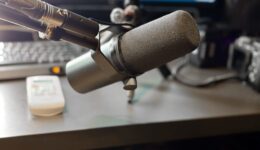
Giorgia Meloni’s EU sound trademark filing shows how trademark law may supplement protection against AI voice cloning and political deepfakes.

The Commission may designate AWS and Microsoft Azure as DMA gatekeepers, imposing cloud switching, portability, and anti-self-preferencing duties.

ENISA’s new Single Reporting Platform enables manufacturers to meet Cyber Resilience Act reporting duties for exploited vulnerabilities and severe incidents.

The Commission’s AI Scientific Panel will advise on frontier-model risks following recent loss-of-control incidents and increased EU AI Act scrutiny.
The proposed EU KIDS Act would impose age limits and safety-by-design duties on major platforms, backed by audits, rapid enforcement, and fines of up to 6% of global turnover.
Von der Leyen backed EU-led coordination to slow frontier AI development, using the AI Act’s systemic-risk rules and international security cooperation.
ENISA’s testing of Anthropic Mythos 5 and OpenAI GPT-6 Astra offers an early test of AI Act supervision for systemic cyber risks.

The Commission designated ChatGPT as a DSA VLOSE and Reddit and Roblox as VLOPs, requiring enhanced risk-management compliance by January 2027.

Belgian piracy orders reportedly seek registrar account, payment, crypto wallet, IP, and log data, raising DSA and GDPR questions for cross-border enforcement.